Posts

Top 10 Benefits of Eating Rice
Image
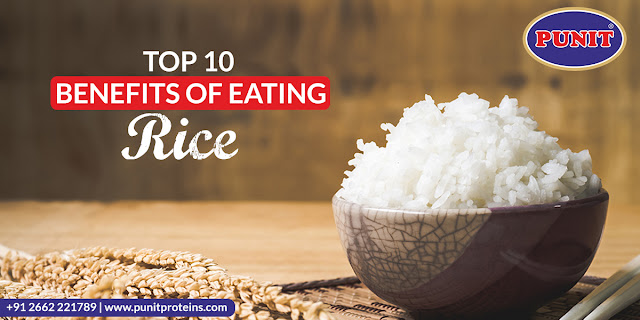
The vast majority of us are aware that rice has numerous positive effects on our bodies, but we may not all be aware of the specifics. While the many health benefits of rice may not be popular, it tastes great! Really, who doesn't enjoy a nice bowl of rice? You may eat it with meat, tofu, vegetables, or whatever else you like, and it will still be delicious! If you are a health-conscious eater or simply enjoy the flavor of premium, high-protein rice, you will not want to stop after reading this. Here 1. Gluten-Free and Anti-Inflammatory: Do you have an intolerance to gluten? Besides being a delicious food, rice also has the added benefit of not containing any gluten.   How many of you know that rice is the most commonly consumed gluten-free grain? Individuals with celiac disease will find this to be very accurate. Moreover, it also acts as a natural anti-inflammatory.   Rice is a safe option for those who are gluten intolerant because it contains no gluten. Because it ...

Nutritional Information and Types of Wheat used in India

Image
Wheat: It's derived from a grass (Triticum) that's grown in a wide range of shapes over the globe. Bread wheat, also known as ordinary wheat, is the most prevalent type of wheat. There is a tight genetic relationship between spelt, durum, einkorn, emmer, as well as Khorasan wheat. Looking for affordable Sharbati wheat price in Vadodara , Punit Proteins is the best place for you.   Both white and whole wheat flour are necessary components of baked goods. Wheat is used to make a variety of foods, including noodles, pasta, bulgur, semolina, as well as couscous.   Gluten, a protein found in wheat, can produce an adverse immune response in those who are sensitive to it. Increase your immunity and give your body the essential nutrients it needs with high quality grains, buy sharbati wheat today from Punit Proteins. Nutritional information: Wheat is mostly composed of carbs but does have a little amount of protein. Since we're looking at one of the highest-quality wheat...

Characteristics of different types of Rice

Image
Unlike potatoes and pasta, rice may be prepared in a wide variety of ways, and it tastes great. Take a look at this breakdown of the many options.   Different types of rice, categorised by the length of their grains, can have a variety of mouthfeels, from light and airy to rich and sticky. Shades of brown, white, and red are all present. Different types of rice require different preparation methods and are better suited to different cuisines due to their unique size, shape, and texture. In terms of food, different nations have distinct preferences. If you are looking for the most prominent supplier of Non-sticky basmati rice in India, Punit Proteins is the best choice for you. Different Types of Rice: -       Long-grain rice: In keeping with its moniker, long-grain rice features grains that are noticeably longer and narrower than standard short-grain varieties. The grains normally stay separate during cooking, and the final product is usually dry a...

What are the Health Benefits of Brown and White Basmati Rice?

Image
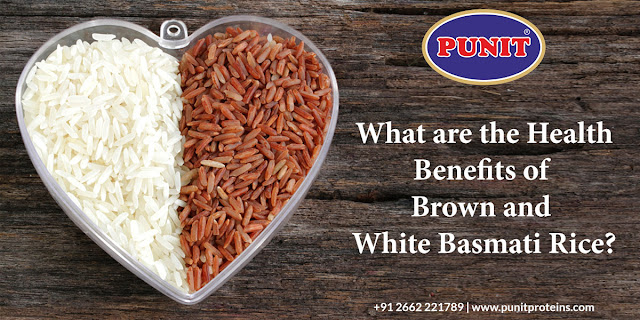
When you first look at different types of rice, it's conceivable that basmati rice doesn't look any different from the other types of rice at all. On the other hand, you just need to take one whiff of the grain to realise that there is a substantial contrast between the two. When basmati rice is cooked, it gives out a smell that is very distinctive and, according to a large number of individuals, smells very much like popcorn. In point of fact, "full of aroma" or "fragrant" is what the word "basmati" means when translated from its native language of Hindi. This particular variety of rice has earned the title of "queen of fragrant rice" in certain parts of the world.   The production of non sticky basmati rice in India accounts for around two-thirds of the total production worldwide. Both India and Pakistan produce their own versions of basmati rice. Researchers from India's Udaipur region have discovered evidence of a long-grain ri...

Which are the top Rice varieties available in India?

Image
A wide variety of rice, including white, basmati, red, brown, parboiled, jasmine, as well as sticky, is consumed across the country. The two most common varieties of rice are basmati and white. Growing rice as either a Kharif or rabi crop is possible since the grain adapts well to both humid and dry environments, making it a viable option for both the plains and the mountains. Kharif is the first season, therefore most rice is planted in June and July; Rabi planting occurs during the months of Nov to Feb. The Kharif harvest occurs in the months of November and December, while the Rabi harvest spans the months of March and June. Some of the states that grow rice during the Rabi season are West Bengal, Assam, Andhra Pradesh, Odisha, as well as Tamil Nadu, among others. Throughout the rest of India, the majority of Rice is harvested during the Kharif season because it is mostly grown around that time. Basmati Rice: The majority of the world's Basmati Rice comes from India. Himac...

How do eating Pulses regularly affect the Human Body?

Image
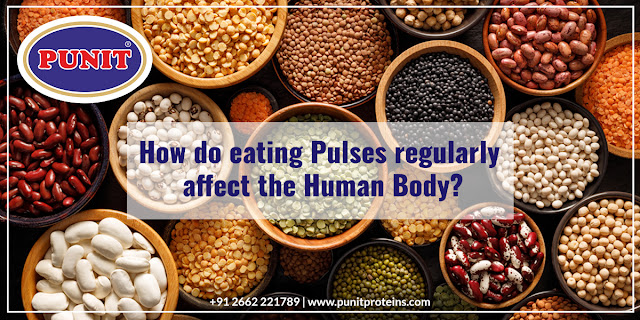
A person's entire well-being and physical fitness are strongly influenced by the foods they consume. Fast food can weaken your body, leaving it more susceptible to illness. On the other hand, a well-balanced diet gives your body and mind the nutrition they need to stay strong and healthy. It also aids in weight management and metabolic function enhancement.   Pulses such as lentils, dry peas, kidney beans, and chickpeas are vital to a healthy diet. Vitamins and nutrients such as protein, fibre, calcium, and magnesium are found in abundance in these foods. Eating pulses regularly gives you the added benefit of ingesting vitamins and minerals such as iron, zinc, folate, and magnesium. If you are looking for the best quality pulses, Punit Proteins is one of the leading pulses manufacturers in Gujarat who can fulfil all of your bulk order needs.   Beans and pulses have a number of nutritional and physiological benefits that have been highlighted in this article. 1.   Sou...

What are the culinary uses of Whole Split Moong Dal?

Image
An olive-green bean about ¼ inch in diameter, moong or green gram with an off-white or mustard-colored inside. Soft, sweet, and easy to digest are only some of the characteristics of the beans. Many varieties of green gram exist, including whole, split and de-husked (yellow). Unskinned split green gram, sometimes called whole split moong dal , is a form of the legume. The green colour is preserved since the husk is not completely removed. A mill is used to perform the splitting. Cooks in India frequently include green moong dal in their dishes. In addition to being low-fat, high-protein and fibre-rich, whole split moong dal is also easy to cook. Green moong dal is best prepared with strong flavourings because of its mild, earthy flavour. Culinary Uses of whole split moong dal listed by Punit Proteins: For Breakfast: Rice and refined flour are unhealthy, but moong dal is a healthier substitute. In India, idlis and dosas are two of the most popular breakfast foods.   ● ...